
You face water damage decisions that affect your home’s safety and value, and knowing when to act saves time and money. They need fast drying when signs point to hidden moisture, mold risk, or structural harm, so comparing dry-out methods and asking the right questions matters.
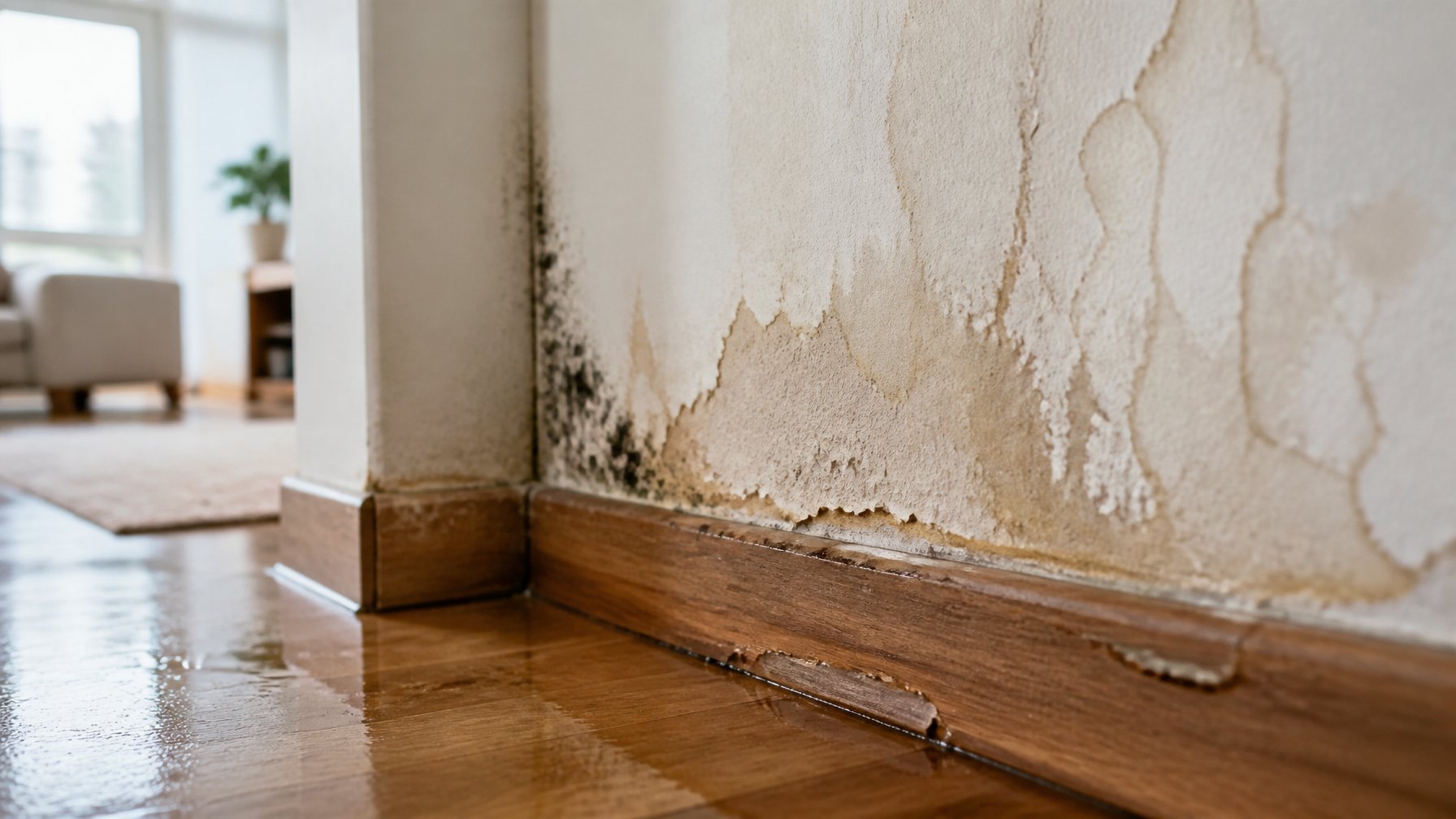
This article guides homeowners through the warning signs and helps compare flood cleanup options in Chicago without jargon. It will show what to look for, what tradeoffs to weigh, and which questions to ask contractors or restoration services so you can choose the best approach for your situation; see restoration service options for more context.
1) Musty odor in carpets or closets
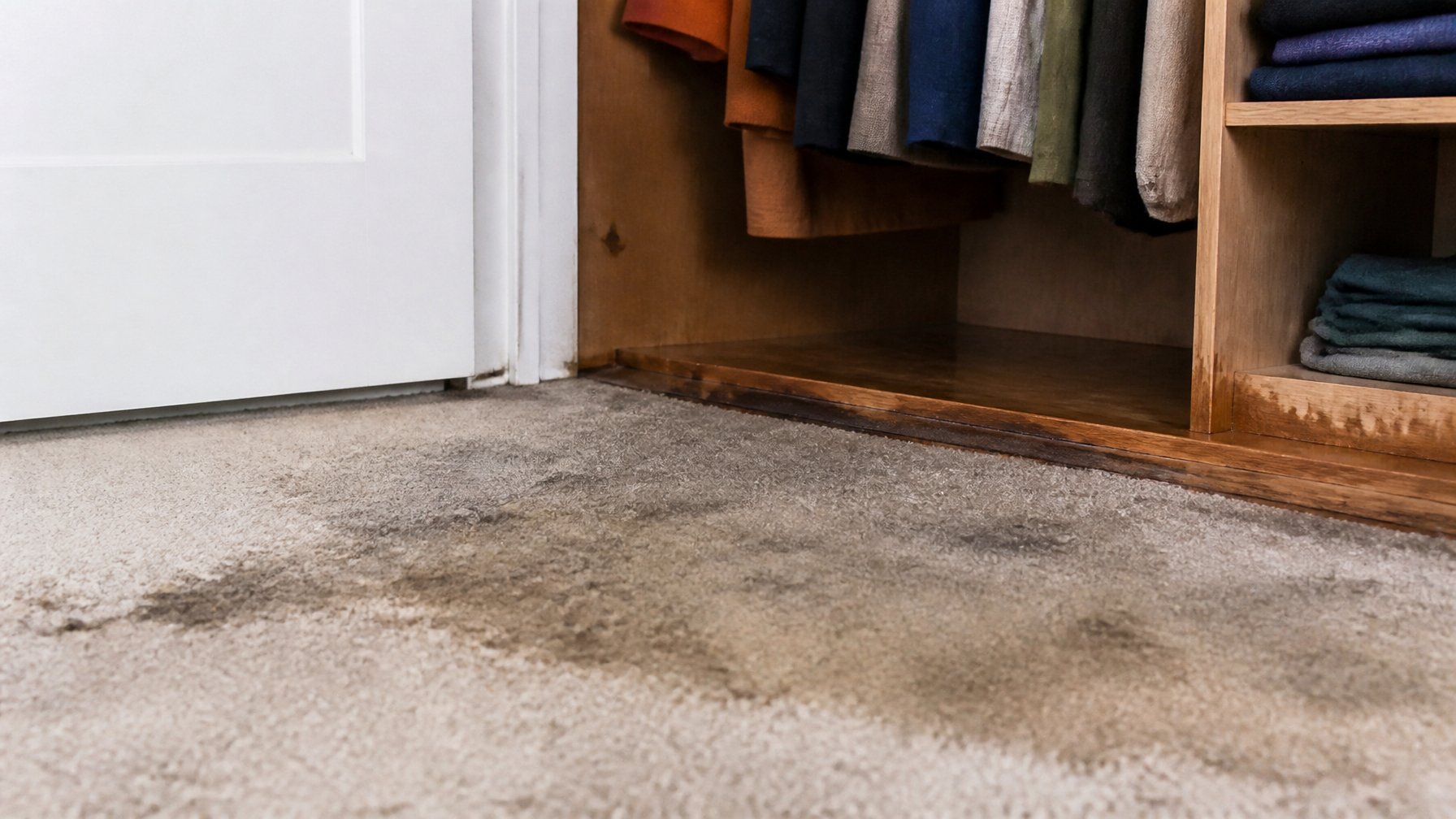
A steady musty smell often means moisture sits in carpets, padding, or closet walls. Homeowners should compare odor strength in damp weather versus dry days to see if it worsens with humidity.
They should lift carpet corners to check backing and padding for dark stains or dampness. Ask whether the smell started after a leak, spill, or high-humidity period, and weigh the cost of spot drying versus replacing affected padding.
Use a moisture meter or hire a pro to read subfloor and wall moisture levels if the odor won’t go away. For more guidance on drying options and fast response, see water damage restoration.
2) Peeling paint or bubbling drywall
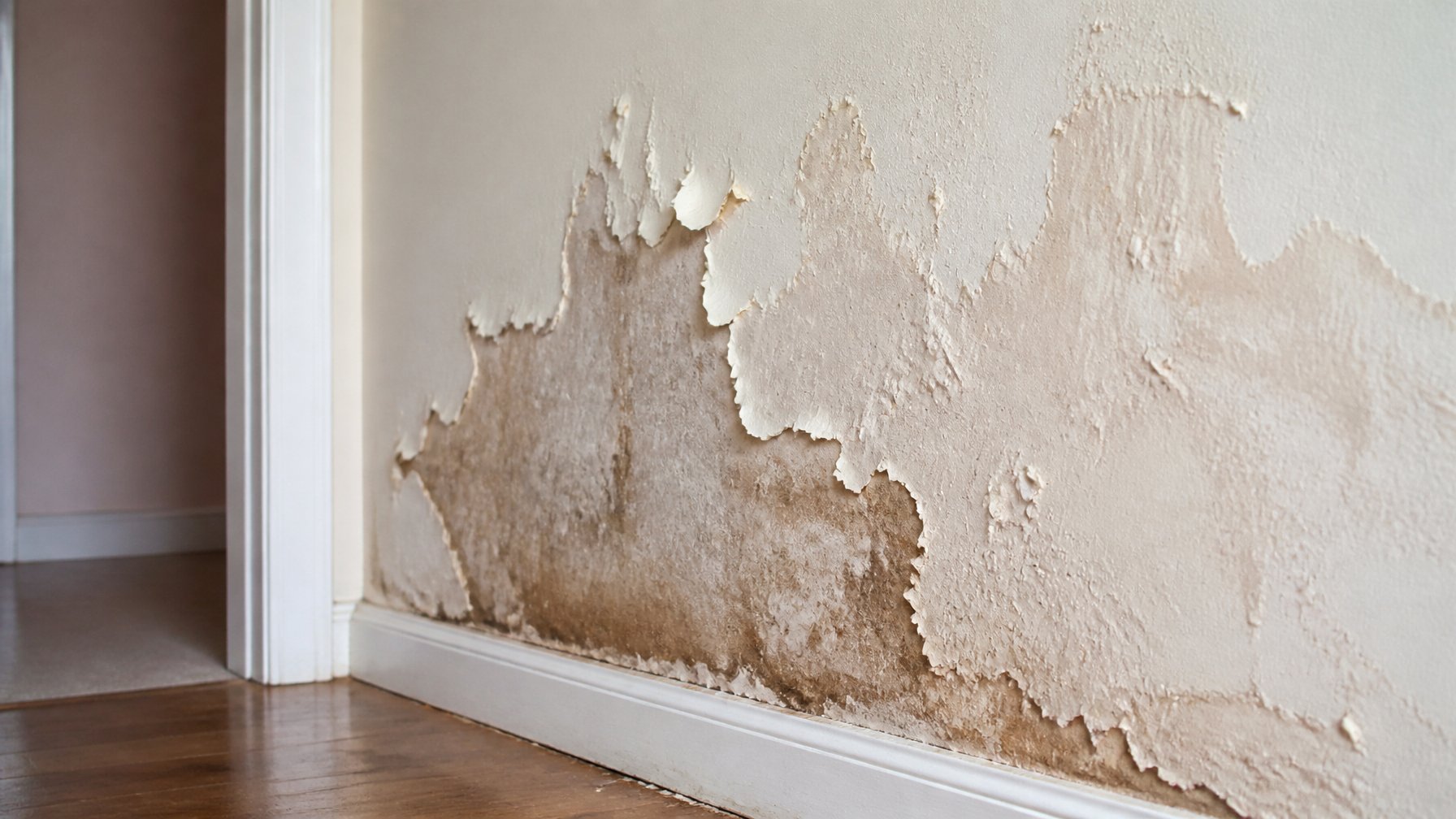
Peeling paint or bubbles on drywall often mean moisture is trapped behind the surface. Homeowners should press gently to see if paint flakes off or if the drywall feels soft. Compare the damaged area to nearby dry walls to judge how wide the problem is.
Ask whether the moisture is from a roof leak, plumbing, or condensation. The tradeoff is speed versus cost: quick drying and repair can stop mold but may cost more than waiting. For help, they can visit the restoration homepage for guidance on drying and repair options.
3) Warped hardwood or buckling floors
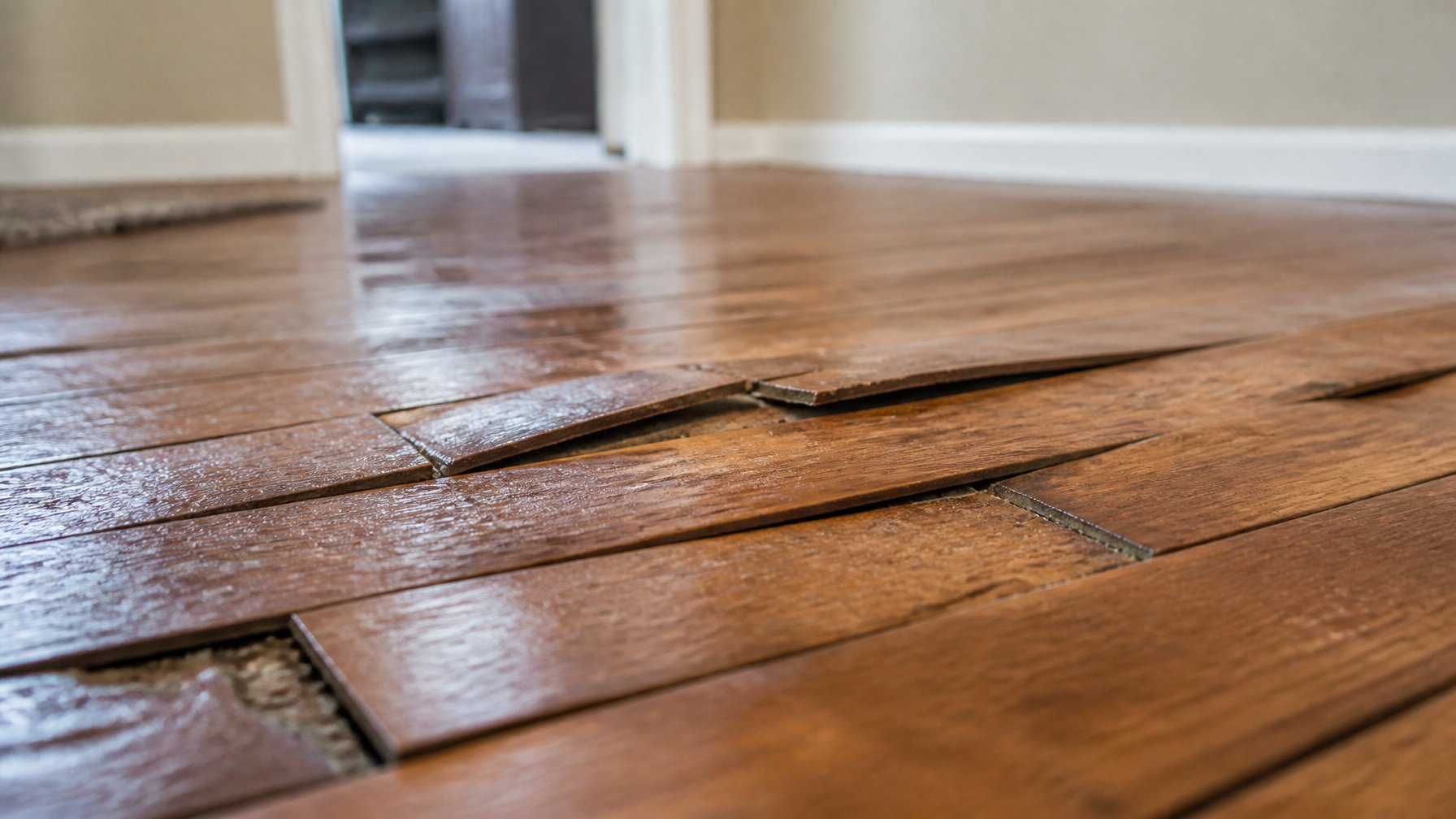
When hardwood boards cup, warp, or push up, it usually means moisture got under or into the planks. Homeowners should compare affected rooms to dry areas and note how many boards and how far the warping spreads.
Ask if the water source was a one-time spill, a slow leak, or rising humidity, because repair choices depend on that. They should weigh drying first versus immediate replacement; quick drying can save floors but may not fix severe buckling.
Have a pro check subfloor moisture and gaps between boards. If moisture stays high, new flooring will fail; if dry, sanding and refinishing may work. For help, try the home's restoration or drying service page.
4) Rust stains on metal fixtures or appliances
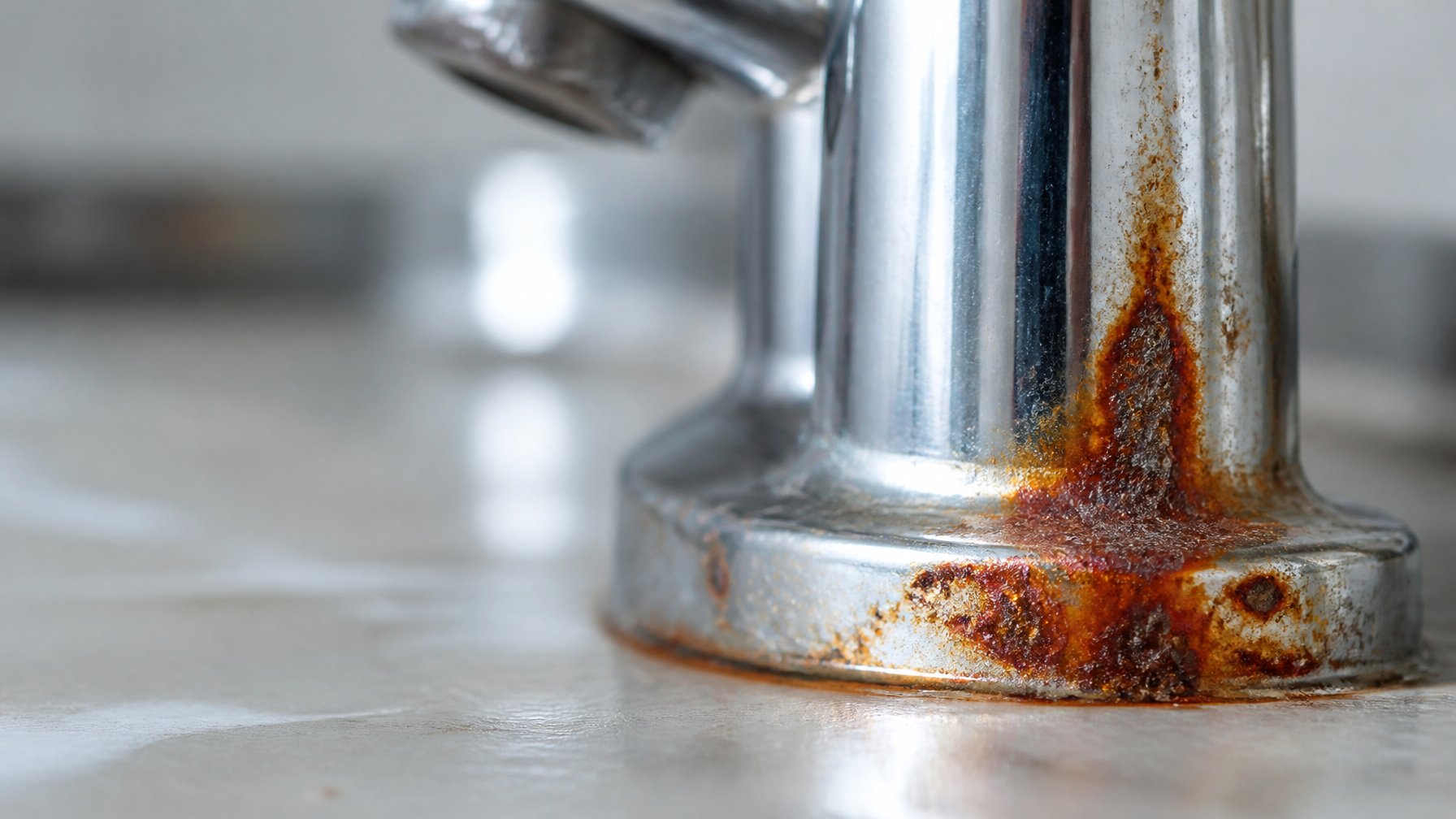
Rust on faucets, drains, pipes, or appliances often means moisture sits on metal for long periods. They should compare nearby paint peeling, soft wood, or warped flooring to see how widespread the dampness is.
They should ask how long stains have appeared and whether the metal feels weak or flaky. If corrosion spreads fast, a prompt drying plan and corrosion inspection save money versus replacing parts later.
They must weigh DIY drying and cleaning against hiring pros for hidden leaks and full drying. For help finding services or drying guidance, visit the homepage.
5) Visible mold spots on walls, ceilings, or under sinks
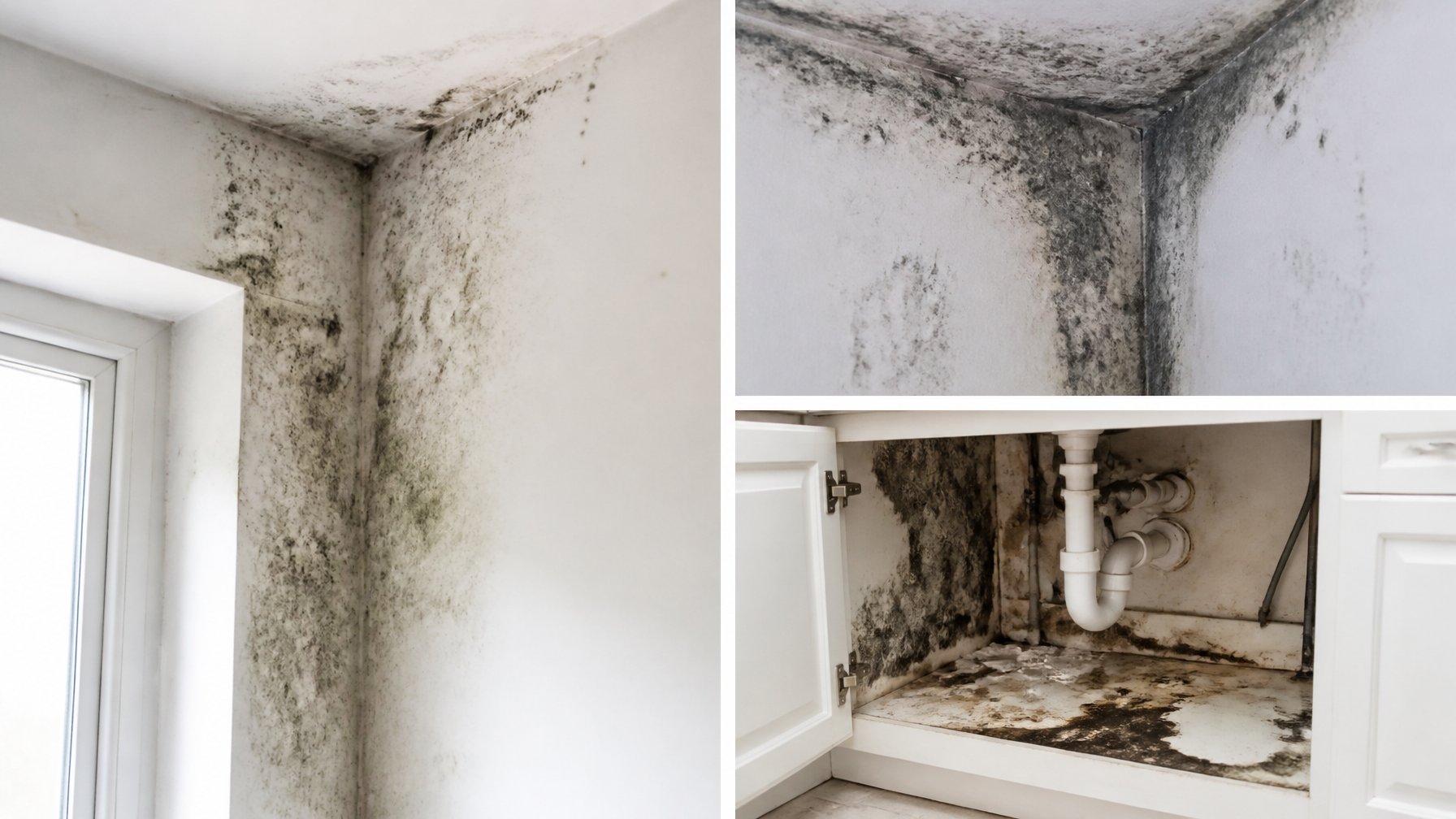
They should compare the mold color, size, and spread to spot fresh growth versus long-standing damage. Ask if the mold returns after cleaning and what moisture source remains, like a hidden leak or poor ventilation.
They should weigh quick DIY cleaning against professional removal for large patches or porous materials. For porous surfaces or widespread growth, hiring a pro reduces the chance of recurrence and hidden structural damage.
They should ask contractors about drying methods, humidity control, and follow-up checks. Check a restoration service page for drying and mold control to learn about methods and warranties before choosing a contractor.
6) Persistent condensation on windows or interior pipes
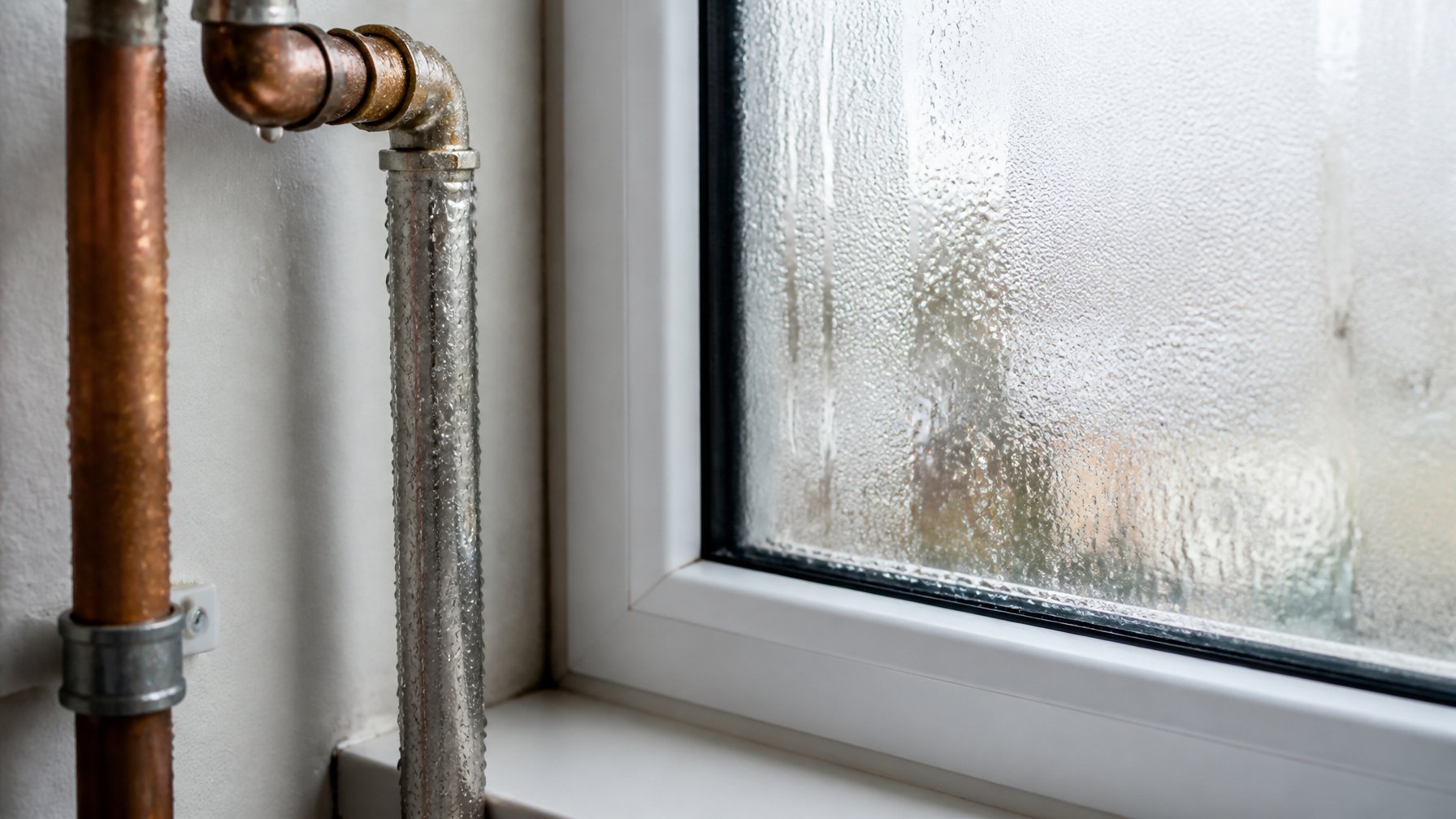
If windows fog every morning or pipes sweat constantly, it signals high indoor humidity or cold surfaces meeting warm air. Homeowners should compare room humidity readings with an affordable hygrometer and aim for 30–50% relative humidity to reduce moisture buildup.
Ask whether insulation on pipes or window upgrades like double-glazing will cut the problem and weigh cost versus energy savings. Consider simple fixes first: run exhaust fans during showers, add a dehumidifier, or increase ventilation. For more complex cases, check a water damage or drying service page to learn about moisture testing and fast-drying options.
7) Staining or discoloration on ceilings below bathrooms
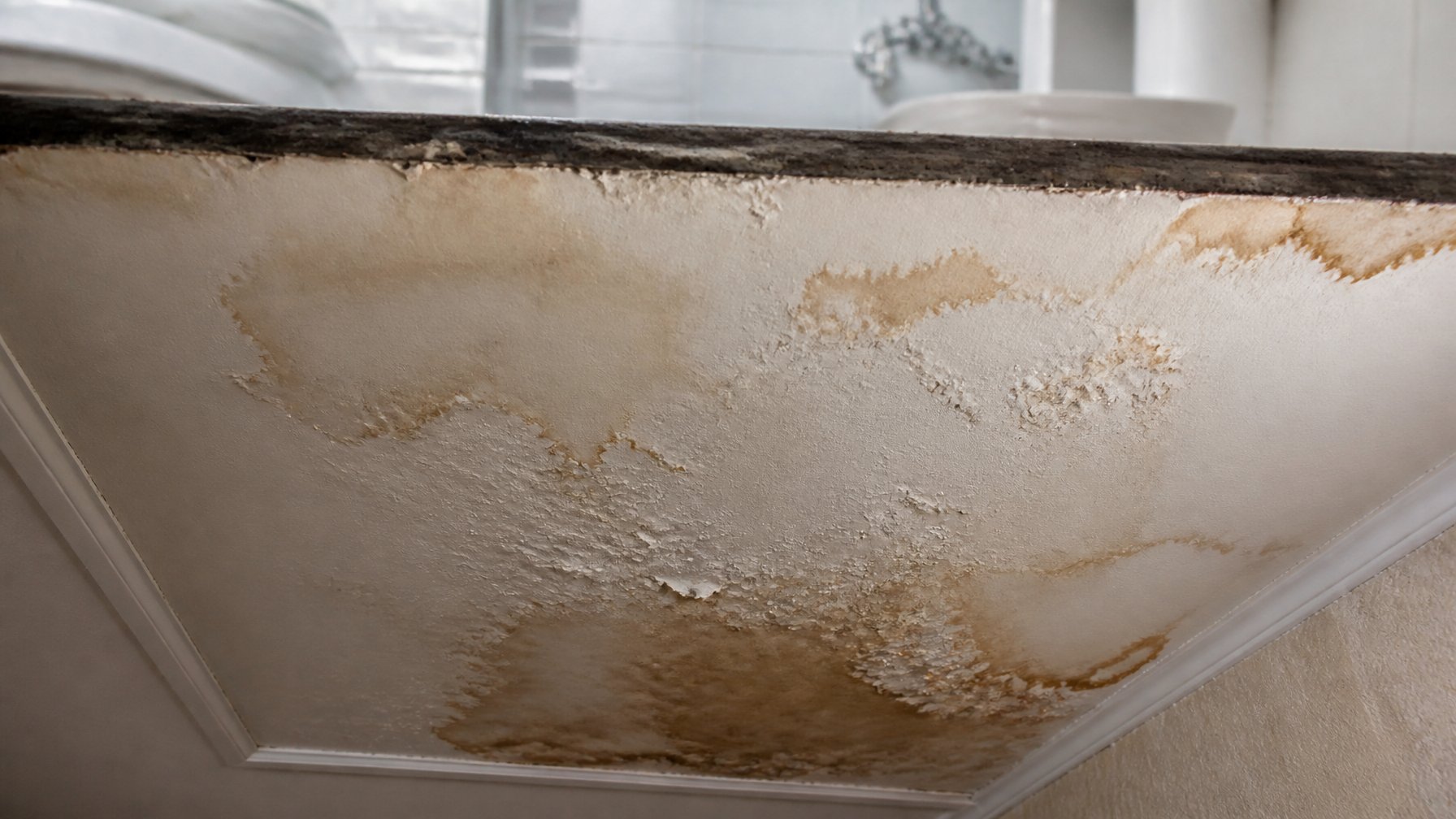
They should compare the stain pattern and feel the ceiling for softness. A small yellow ring may mean a slow pipe drip above, while large brown patches suggest a bigger leak or long-term moisture. Ask when the stain first appeared and if water stains return after drying.
He should check the bathroom fixtures and ask a plumber about the tradeoff between quick patching and tracing the full leak. Quick paint-over hides the problem. Fast drying plus fixing the source prevents mold and repeated damage.
Homeowners should consider moisture meters or a professional moisture check to confirm hidden wetness. If the ceiling is sagging or the paint bubbles, they need immediate drying and repair. For drying and cleanup options, see water damage restoration.
8) Soft or spongy baseboards and door frames
They should press firm, not give under a fingertip. If a baseboard or door frame feels spongy, compare the suspect area to a nearby dry section to judge how soft it is. Ask whether the soft wood is only surface-swollen or has deeper rot that needs replacement.
Check for paint bubbling, dark stains, or gaps where trim meets the wall. These signs help decide if fast drying and dehumidifiers will suffice, or if a contractor should remove and replace damaged trim. Homeowners can read more about drying and repair options on the water damage restoration service page.
Probe behind the trim where possible to see wet insulation or warped studs. Weigh the tradeoff between quick drying to save trim versus replacing soaked trim now to avoid mold and longer repairs later.